

If you use custom earplugs instead of foam, the case matters almost as much as the plugs. A poor case can squash the mould, trap moisture, and let dust build up. A good one does three things: protects the shape, keeps the plugs clean, and fits how I carry them day to day.
Here’s the short version:
- Soft zip pouches suit pocket carry and daily use
- Semi-rigid cases add more protection in bags
- Hard-shell cases suit travel, work kits, and rough handling
- Keychain capsules keep bulk low but need the right internal size
- Sealed cases help in dust and wet weather, but I should only store plugs when they’re fully dry
The article covers 8 case options:
- ACS Pro Zip Case
- ACS Soft Zip Pouch
- Decibullz Premium Zipper Carrying Case
- Radians Plastic Molded Earplug Carrying Case
- Alpine Hearing Protection Travel Case
- Loop Carry Case
- Pelican 1010 Micro Case
- Aluminium Keychain Earplug Capsule
It also focuses on the main things I’d check before buying:
- shell strength
- closure and dust control
- internal fit for custom-moulded plugs
- portability
- cleaning and drying
Quick Comparison
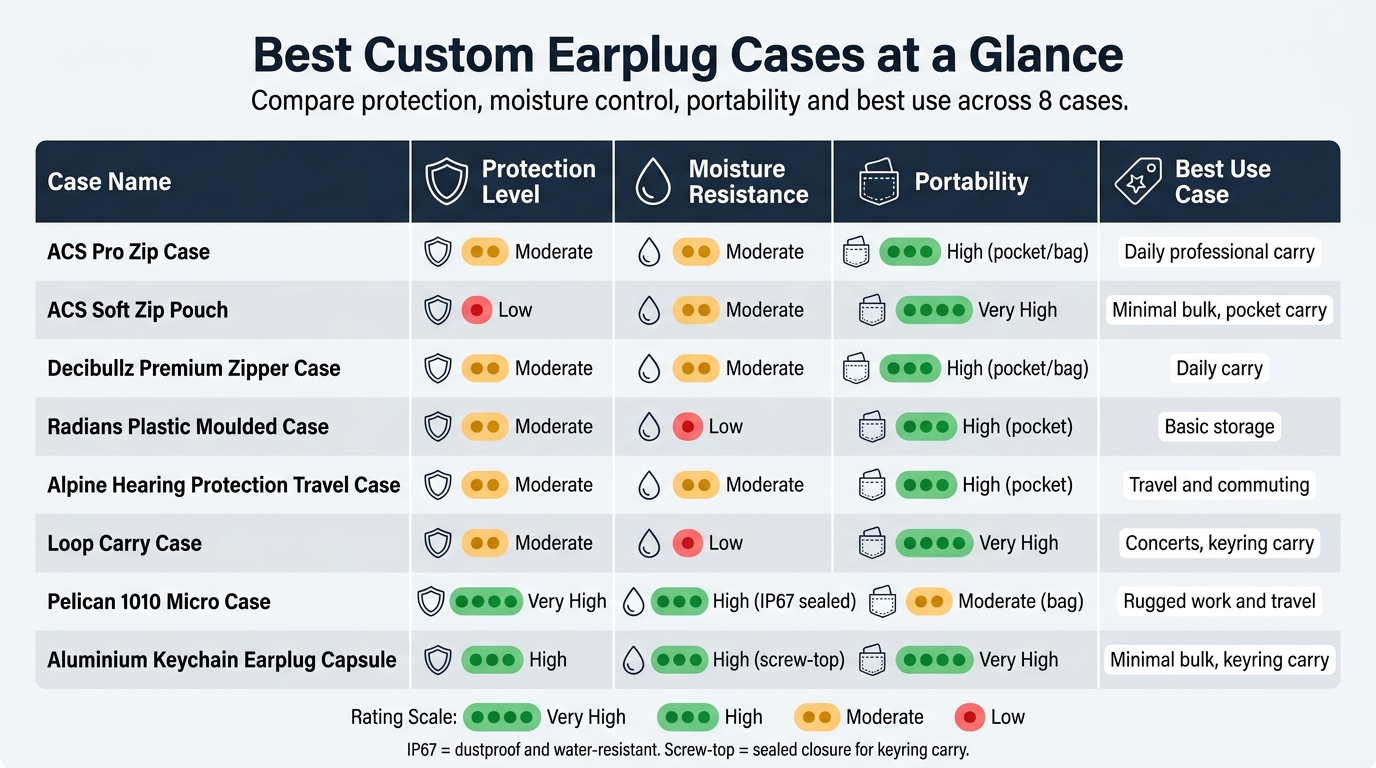
Best Custom Earplug Cases: Quick Comparison Guide
| Case | Protection | Moisture control | Carry style | Best fit |
|---|---|---|---|---|
| ACS Pro Zip Case | Medium | Medium | Pocket or bag | Daily use |
| ACS Soft Zip Pouch | Low | Medium | Pocket, clipped to bag | Light carry |
| Decibullz Premium Zipper Carrying Case | Medium | Medium | Pocket or backpack | Daily storage |
| Radians Plastic Molded Case | Medium | Low | Pocket or bag | Bulkier plugs |
| Alpine Travel Case | Medium | Medium | Travel kit or bag | Commuting and travel |
| Loop Carry Case | Medium | Low | Small bag or pocket | Low-bulk carry |
| Pelican 1010 Micro Case | High | High, IP67 | Bag or suitcase | Work and travel |
| Aluminium Keychain Capsule | High | High, screw-top | Keyring or clipped carry | Smallest carry setup |
A few points stand out. IP67 means a case is dust-tight and water-resistant, which is useful on worksites or in wet weather. Foam cut-outs or a roomy interior can also help stop pressure on filters and soft silicone parts. And if I leave damp plugs in a sealed case, I can trap moisture inside, which is the last thing I want.
Bottom line: I’d pick the case based on where I carry my earplugs most often. Soft pouch for simple daily use, hard shell for rough trips, and a capsule for the smallest carry setup.
sbb-itb-80b2a19
What to Look for in a Case for Custom Earplugs
Pick a case based on how you carry your custom earplugs: in a pocket, bag, on a keyring, or in a travel kit. A good case isn’t just about convenience. Custom earplugs are made to fit with precision, so the wrong case can put pressure on their shape.
Here are the five things worth checking.
Shell strength and crush protection
Soft pouches work well for pocket carry. They’re light, easy to stash, and fine when the case won’t cop much pressure.
Semi-rigid zip cases are a better fit for day-to-day use because they handle bumps and knocks a bit better. If your earplugs spend time in a work bag, backpack, or suitcase, hard-shell cases make more sense. That’s where crush protection matters most.
Closure security and dust control
Zips are simple and practical for daily use. They open fast, close fast, and suit most people just fine.
Screw-top aluminium capsules give you a more secure closure and are handy in a pocket or on a keyring. If you need more protection, O-ring gasket seals can achieve an IP67 rating, which means the case is dust-tight and water-resistant. For everyday carry, a zip usually does the job. For dusty worksites or wet conditions, go with a gasket seal.
Internal fit for custom-moulded earplugs
This part matters more than it seems. Custom earplugs have a set shape, and if a case presses or squashes them, that shape can shift over time.
The inside of the case should have enough space for both plugs without direct pressure on the filters. Foam inserts with cut-outs can help keep the plugs and filters steady during transit. If there’s no padding inside, check that the lid doesn’t press down on the plugs when closed. And always store earplugs clean and dry in their case.
Portability for pockets, bags and keyrings
Different cases suit different carry styles. A compact zip pouch slips into a jeans pocket or jacket without much fuss. A small aluminium capsule can clip onto a keyring or lanyard, which is handy at concerts or on work sites.
Larger hard cases are better in a backpack or gear bag, especially for commuting, event days, and work shifts. Carabiners and neck cords are also useful if you want to keep the case attached to a bag instead of digging around for it later.
Easy cleaning and drying
Damp earplugs can trap moisture and increase hygiene risk. That’s why the inside of the case matters.
Cases with smooth interiors and few seams are the easiest to wipe clean. Deep ridges and fabric linings can hold moisture, which makes cleaning more of a hassle. A quick wipe of the interior with a dry cloth on a regular basis helps keep things clean.
Use these checks to compare the cases below.
1. ACS Pro Zip Case
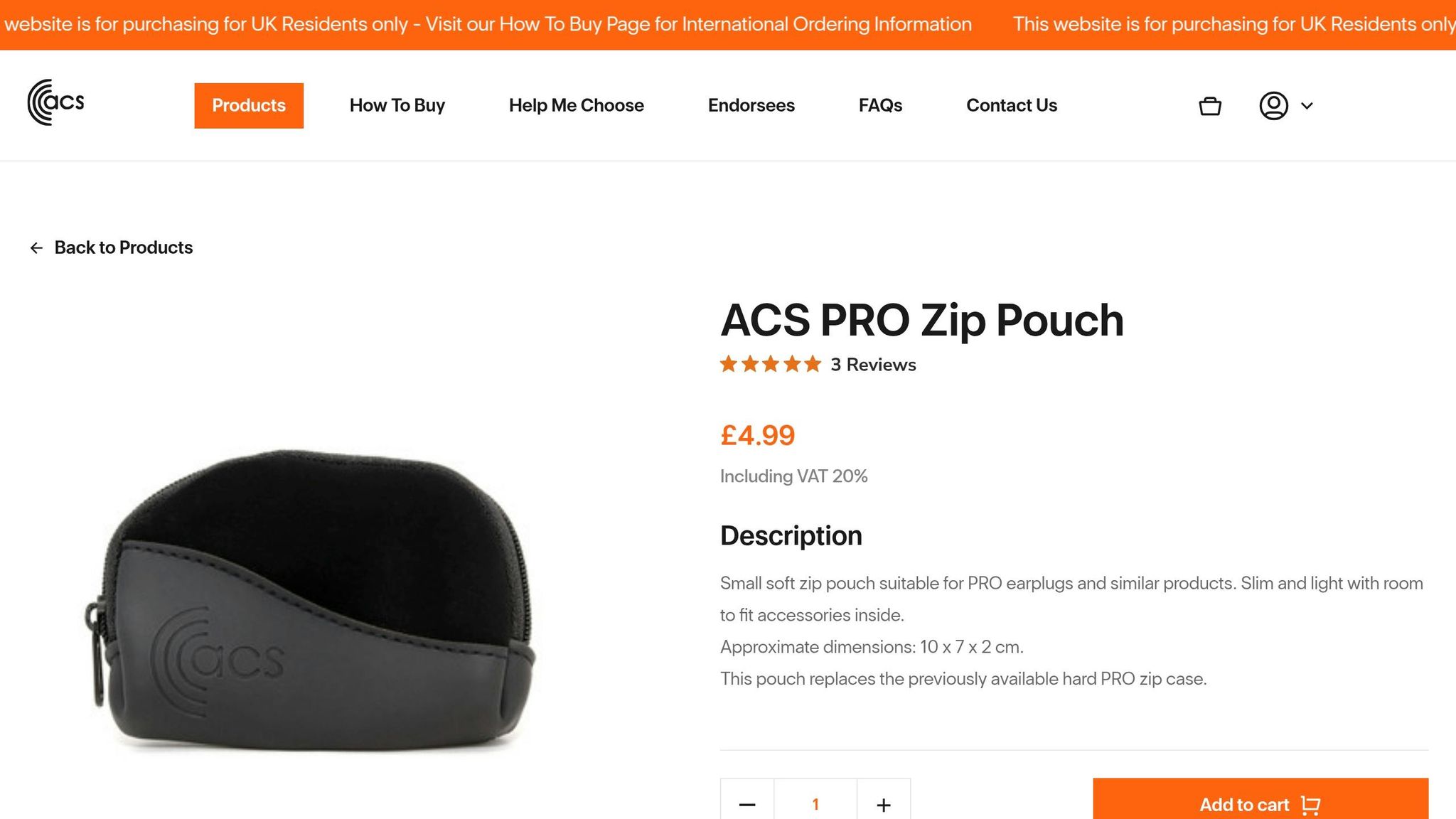
The ACS Pro Zip Case is a light, pocket-friendly pouch made for everyday carry. It helps protect soft, custom-moulded silicone earplugs from punctures and cuts caused by sharp objects.
Crush protection
It also adds a handy layer of protection against knocks and pressure in pockets or bags.
Dust control
The zip closure helps keep out dust and light debris. It isn't waterproof, so only store earplugs when they're fully dry.
Pocketability and attachment options
This pouch is small enough to slide into a pocket or bag without much extra bulk.
Fit for custom-moulded earplugs and accessories
There’s room for custom-moulded earplugs plus a few small extras, such as:
- a wax pick
- cream
- a silica sachet
It’s best suited to daily carry rather than rough transport. If you want more crush protection, the next case has a harder shell.
2. ACS Soft Zip Pouch
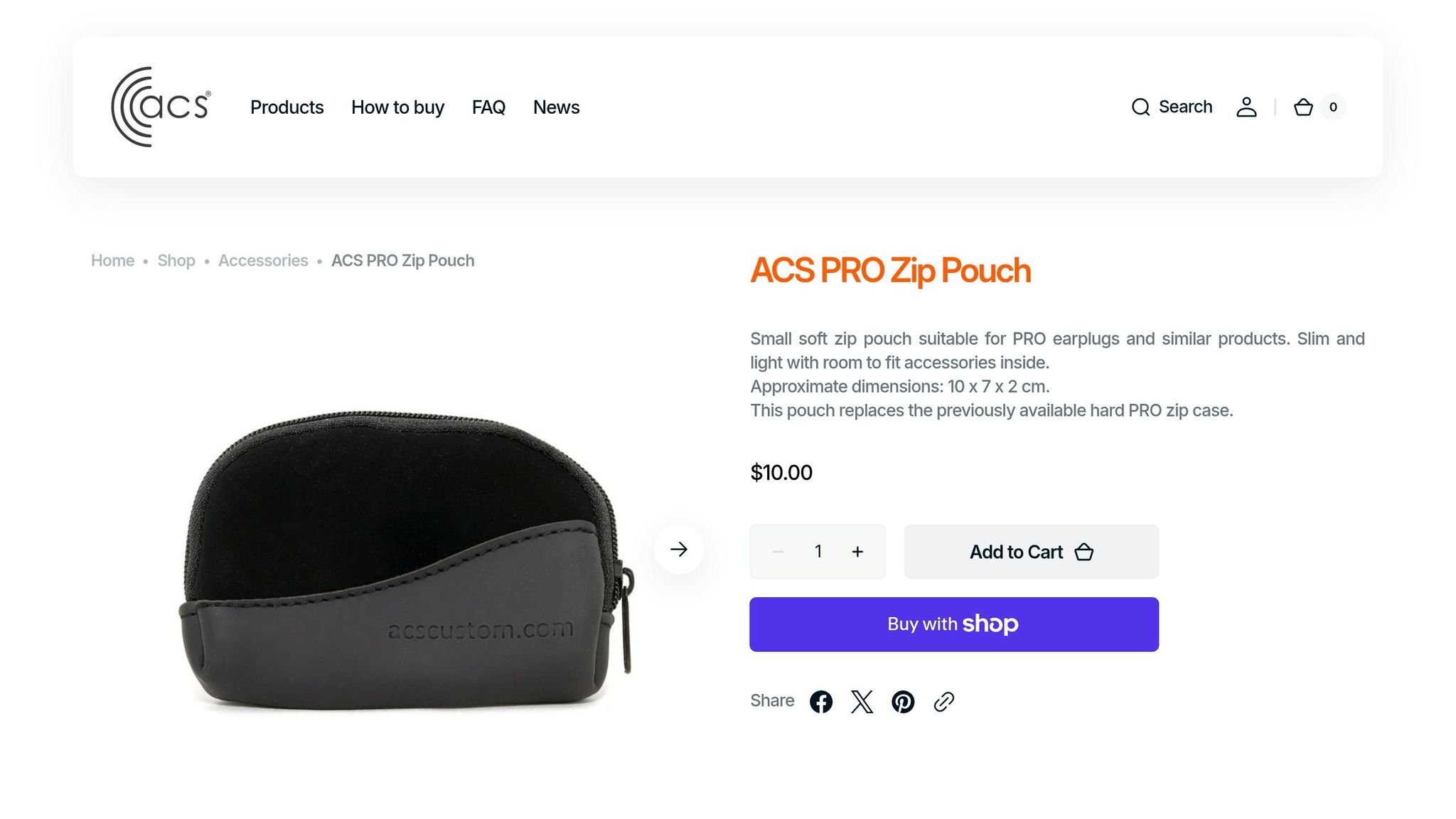
The ACS Soft Zip Pouch is the standard carry case for ACS PRO Series custom earplugs and works well for light, everyday carry. It’s a good fit for people who want something lighter than a hard case, while still keeping the ease of a clip-on option.
Crush protection
Compared with a rigid case, the trade-off here is lower crush protection. The soft outer layer can deal with light knocks, but it’s not made for heavy pressure or travel where bags get packed tight.
Dust and moisture resistance
The zip closure helps keep out dust and lint, which is handy for daily use. Just make sure the earplugs are fully dry before you put them away.
Pocketability and attachment options
A carabiner lets you clip the pouch to a bag or belt loop, so it’s easy to grab when you need it.
Fit for custom-moulded earplugs and accessories
Inside, the pouch fits a pair of custom-moulded earplugs, filters, ACS Comfort Cream, and a cleaning tool.
3. Decibullz Premium Zipper Carrying Case
The Decibullz Premium Zipper Carrying Case is a compact zip case made for day-to-day storage.
Crush protection
It works best in pockets and lightly packed bags. Think of it as a soft case with a bit of structure, not something built to take a beating.
Dust and moisture resistance
The zip closure helps keep out dust and lint, but it isn't waterproof. Make sure your earplugs are fully dry before you put them away.
Pocketability and attachment options
Its compact size makes it easy to slip into a pocket, backpack, or work bag.
Fit for custom-moulded earplugs and accessories
It fits one pair of custom-moulded earplugs, plus a cleaning tool or a silica sachet.
If you want more crush protection, the next case moves up to a hard shell.
4. Radians Plastic Molded Earplug Carrying Case
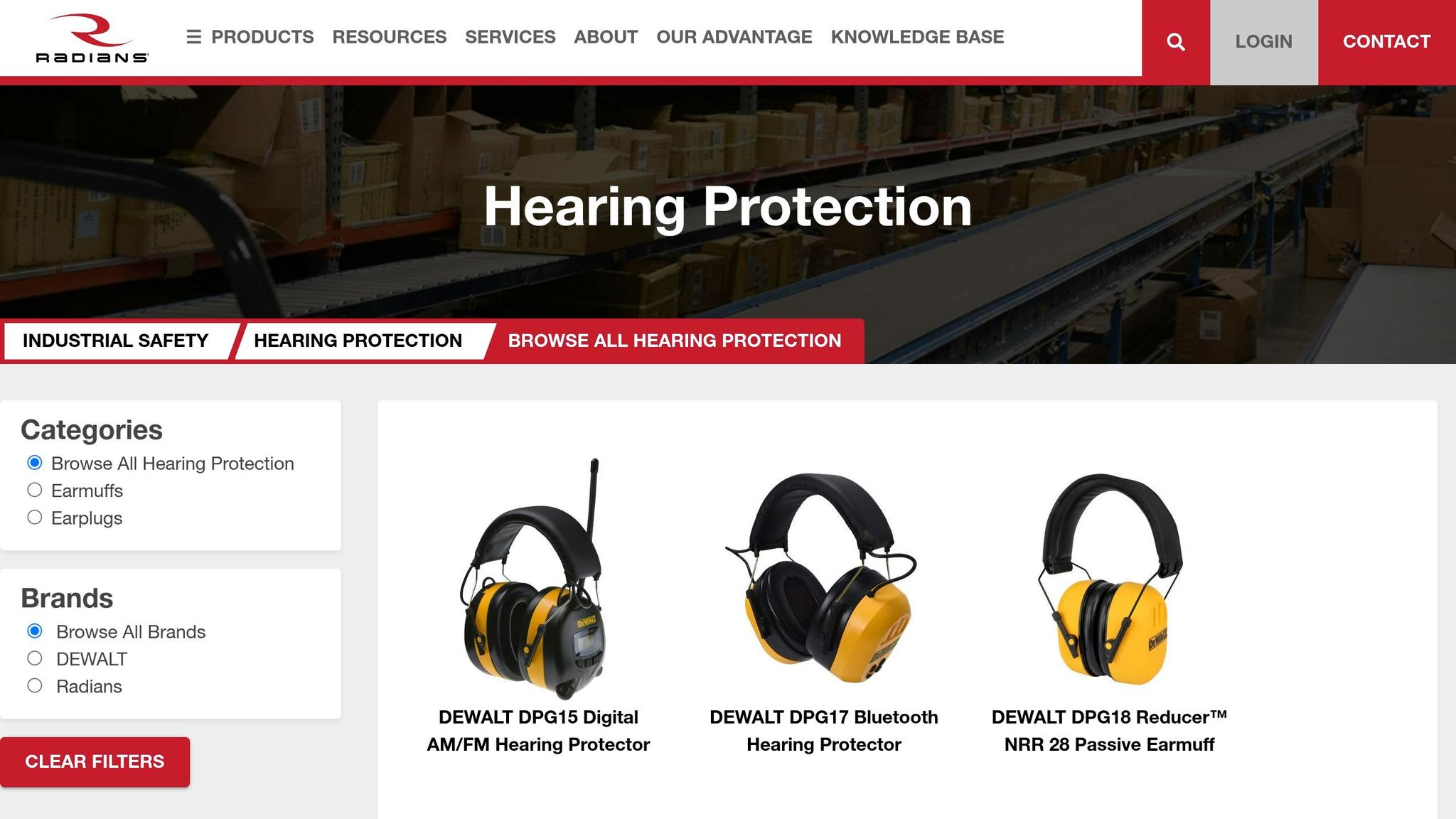
The Radians Plastic Molded Earplug Carrying Case is a good fit for bulkier custom plugs. Its rigid plastic shell gives those larger plugs more crush protection than a soft pouch.
That matters in day-to-day use. A snug fit helps keep bigger plugs secure in your pocket or bag, instead of bouncing around loose.
If you need a compact, rigid case for transport, this one does the job well.
5. Alpine Hearing Protection Travel Case

For travel and day-to-day storage, the Alpine Hearing Protection Travel Case keeps your earplugs and small extras in one spot. It helps shield them from moisture, heat, and sunlight, and has space for filters, a neck cord, and a small cleaning tool.
It’s a simple pick for commuters, travellers, and anyone who wants a neat carry case with a bit of extra room.
6. Loop Carry Case

If you want something simple and low-bulk, the Loop Carry Case does the job. It gives you an easy way to keep custom earplugs together and shielded from loose debris.
7. Pelican 1010 Micro Case
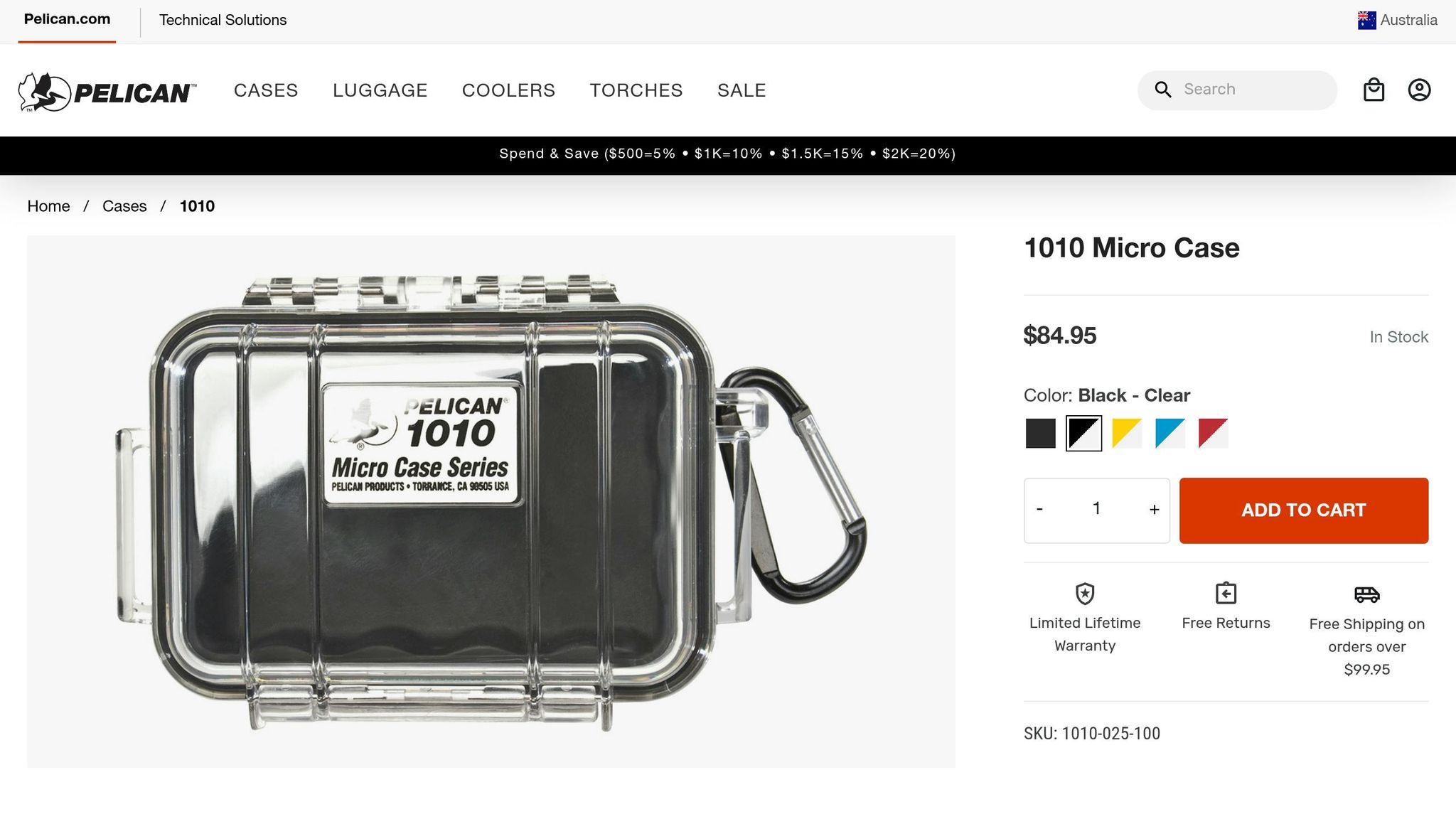
If you want a hard-shell option, the Pelican 1010 Micro Case is a solid step up for rough travel and wet conditions. It uses an HPX2 shell, which is lighter than standard plastic but still strong.
Crush protection
The rigid shell helps shield custom-moulded earplugs from crushing, punctures, and filter damage.
Dust and moisture resistance
The Pelican 1010 has an IP67 rating, an O-ring seal, and a purge valve. That means it stays dustproof, water-resistant, and easier to open after flights.
Pocketability and attachment options
Its compact hard shell works well in packed bags and travel kits.
Fit for custom-moulded earplugs and accessories
It fits a pair of custom earplugs, along with small accessories like a wax tool or filters. Before you seal them inside, make sure the plugs are fully dry. It also helps to wipe the gasket on a regular basis.
8. Aluminium Keychain Earplug Capsule
An aluminium keychain capsule is a simple pick for keyring carry. It keeps custom earplugs close by and helps protect them from crush damage.
Crush protection
The rigid aluminium shell helps stop the case from being squashed. It also shields soft silicone from keys, coins, and other hard items that can mark or press on the earplugs.
Dust and moisture resistance
The screw-thread closure helps keep out dust and lint. But there’s one catch: only store earplugs when they’re fully dry. A sealed capsule can trap moisture inside.
Pocketability and attachment options
The keyring attachment lets you keep the capsule on your keys or clip it to a bag. That means it stays with you without taking up extra room in a pocket or pack.
Fit for custom-moulded earplugs and accessories
Canal-style custom earplugs usually fit standard capsules best. Full-concha or grip-style moulds are wider, so check the internal diameter before buying. If the fit is too tight, don’t force it. Pressure can damage the silicone or wear the finish over time.
If you want hard-case protection in the smallest carry format, this style makes a lot of sense.
Choose the case that matches how you carry your earplugs most often.
Which Case Suits Your Routine?
Pick your case based on how you carry your earplugs day to day. The right option comes down to three things: protection, size and how fast you need to get to them.
Best for daily carry
For daily carry, a soft zip pouch is usually the easiest option. It’s light, simple and doesn’t take up much room.
If you like clipped carry, go for a case with a carabiner or loop, such as the ACS Soft Zip Pouch. If your earplugs end up in packed bags or tool kits, it’s worth moving to a hard-shell case instead.
Best for rugged work or travel
For FIFO work, site work or frequent flights, a hard-shell case with a sealed closure makes more sense. It gives your earplugs more protection when they’re being knocked around.
If you fly often, a case with a pressure-equalisation valve - such as the Pelican 1010 Micro Case - can be easier to open after altitude changes. For live events, though, fast access tends to matter more than maximum protection.
Best for concerts and events
At live venues, a case with a carabiner or attachment point - such as the ACS Soft Zip Pouch - makes it easier to keep your earplugs close in crowded venues.
If keeping bulk down is your main goal, choose the smallest carry format instead.
Best for minimal bulk
An aluminium keychain capsule or slim soft pouch gives you the smallest carry profile. The downside is less crush protection.
How to Keep Your Earplugs and Case Clean
Once you’ve picked a case, upkeep matters just as much. Clean, dry, protected earplugs hold up better and are less likely to cause hygiene issues.
Dry earplugs fully before storage
Don’t put damp earplugs straight back in the case. When moisture gets trapped, it creates the sort of conditions bacteria and fungi like, and that can lead to ear irritation or infection.
After use, wipe the earplugs with a clean, damp cloth or a sterile wipe, then let them air-dry all the way before storing them. If you’ve washed them in warm soapy water, take out any filters first, rinse them well, and wait until everything is fully dry before putting them back together.
If you don’t have a drying machine handy, a colour-indicating silica gel packet in your carry pouch can help pull out moisture. Swap it out once the colour shows it’s saturated.
The case needs the same level of care.
Clean the case on a regular schedule
Wipe the inside and outside of the case with a soft, lint-free cloth after heavy use. If you’re on dusty worksites, check the inside more often. Fine dust can get in and clog filters before you notice it.
After heavy sweat or rain exposure, leave the case open until it’s fully dry, then close it again. Skip harsh chemicals and alcohol-based cleaners, because they can wear down the case lining and the medical-grade silicone of the earplugs.
Once it’s clean, keep it away from heat and direct sun.
Keep cases out of extreme heat
Store the case somewhere cool and shaded. The inside of a hot car can get warm enough to damage earplugs and filtered parts.
Check closures and seals for wear
Small problems can cut protection fast. Zips and seals wear down over time, especially with daily use or regular contact with dust and debris.
Give the case a quick once-over now and then:
- Open and close the zip
- Look for cracking, fraying, or looseness
- If the zip feels gritty, wipe away debris with a dry cloth before it causes more wear
Quick Comparison Table
Use the table below for a quick comparison. It gives you a fast side-by-side look at protection, bulk, and storage space.
| Case | Protection Level | Moisture Resistance | Portability | Accessory Space | Best Use Case |
|---|---|---|---|---|---|
| ACS Pro Zip Case | Moderate (semi-rigid) | Moderate | High (pocket/bag) | Room for a cleaning tool and comfort cream | Daily professional carry |
| ACS Soft Zip Pouch | Low (fabric) | Moderate | Very High | Earplugs only | Minimal bulk, pocket carry |
| Decibullz Premium Zipper Case | Moderate | Moderate | High (pocket/bag) | Small accessory compartment | Daily carry |
| Radians Plastic Moulded Earplug Carrying Case | Moderate (rigid plastic) | Low | High (pocket) | Earplugs only | Basic storage |
| Alpine Hearing Protection Travel Case | Moderate (semi-rigid) | Moderate | High (pocket) | Small | Travel and commuting |
| Loop Carry Case | Moderate | Low | Very High | None | Concerts, keyring carry |
| Pelican 1010 Micro Case | Very High (crushproof) | High (IP67 sealed) | Moderate (bag) | Ample for plugs and tools | Rugged work and travel |
| Aluminium Keychain Earplug Capsule | High (hard shell) | High (screw-top closure) | Very High | None | Minimal bulk, keyring carry |
Conclusion
The best case comes down to how you carry your earplugs day to day.
For ACS Custom users, the ACS Pro Zip Case and ACS Soft Zip Pouch make the most sense for daily use. If your needs change, your best option changes too. For tougher work or travel, go with the Pelican 1010. If you want the smallest carry possible, pick the Aluminium Keychain Earplug Capsule.
Whatever case you use, keep your earplugs clean and dry when you store them. Dry them before putting them away, check the closures now and then, and keep the case out of hot places. A good case helps protect their shape, keeps them clean, and makes daily carry much easier.
FAQs
How do I know if a case will squash my custom earplugs?
Choose a purpose-built hard-shell case. It gives your custom-moulded silicone earplugs the best defence against pressure and knocks, which helps them hold their shape.
Don’t stash the case in a tight spot where it can get squashed. A cool, dry, stable hard case helps reduce the risk of warping, loss of elasticity, and other damage.
Can I keep custom earplugs in a sealed case every day?
Yes - as long as they’re completely dry before you put them away.
A clean case helps protect your earplugs from damage, dust and contamination while they’re in storage.
Before you seal them in the case, check that there’s no moisture, wax or skin debris left on them. Then keep the case in a cool, dry spot, out of direct sunlight, heat and high humidity.
Which case is best for pocket carry versus travel?
For pocket carry, go with a compact, lightweight case. A soft, squeezable pouch is often the easiest option to carry. It keeps your earplugs clean and protected without adding extra bulk.
For travel, a hard-shell case is the better pick. It gives stronger protection from knocks, crushing and debris, which helps keep custom-moulded surfaces clean and free from damage while you're in transit.


